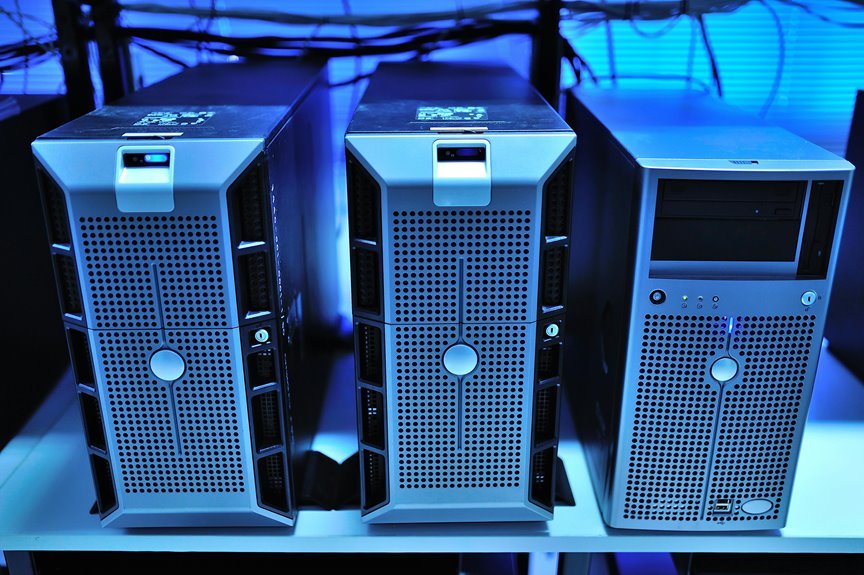
Enterprise systems serve as vital infrastructure for organizations linked to identifiers such as 4105751878, 8180472808, and others. These systems integrate diverse business processes and facilitate real-time data access, which enhances operational efficiency. By employing cloud computing and data analytics, businesses can respond more effectively to market dynamics. However, the implementation of these systems also raises important considerations regarding cybersecurity and potential future developments in technology. What implications might these factors have for the future of enterprise systems?
Overview of Enterprise Systems
Enterprise systems, which integrate various organizational processes and data into a unified framework, play a crucial role in enhancing operational efficiency and decision-making.
By leveraging cloud computing, these systems facilitate seamless data integration across departments, enabling real-time access to information.
This holistic approach not only streamlines workflows but also empowers organizations to respond swiftly to changing market dynamics, fostering innovation and adaptability.
Analysis of Identifiers and Their Systems
Identifiers are critical components within enterprise systems that facilitate the organization, retrieval, and management of data across various platforms.
Through identifier analysis, organizations can enhance system integration, ensuring seamless data flow and interoperability.
This process aids in identifying inefficiencies and optimizing workflows, ultimately supporting decision-making and operational effectiveness in an increasingly complex digital landscape, where freedom of information is paramount.
Benefits of Implementing Enterprise Systems
When organizations adopt comprehensive enterprise systems, they unlock a multitude of benefits that significantly enhance operational efficiency and data management.
These systems promote cost efficiency through streamlined processes and offer robust process automation.
Enhanced data integration improves decision support, while scalability options ensure adaptability.
Ultimately, such implementations lead to increased user satisfaction, as employees experience more intuitive workflows and access to real-time information.
Future Trends in Enterprise Technology
As organizations navigate an increasingly digital landscape, the evolution of enterprise technology is poised to reshape operational frameworks significantly.
Future trends will likely center on cloud computing, enhancing remote collaboration, and leveraging artificial intelligence for data analytics.
Additionally, robust cybersecurity measures and blockchain technology will be crucial for securing transactions, while a focus on user experience will drive digital transformation across industries.
Conclusion
In conclusion, the integration of enterprise systems significantly enhances organizational efficiency, as evidenced by a study indicating that businesses can increase productivity by up to 20% through effective system implementation. Such systems not only streamline workflows but also facilitate real-time data access, enabling informed decision-making and swift adaptation to market changes. As organizations continue to embrace cloud computing and advanced analytics, the future of enterprise technology promises further innovations that will redefine operational capabilities across industries.